


 „'"Of all celestial bodies within reach or view, as far as we can see, out to the edge, the most wonderful and marvelous and mysterious is turning out to be our own planet earth. There is nothing to match it anywhere, not yet anyway".
 Lewis Thomas.
A summary of Global Warming and Global Climate Change.
- Global warming is the increase in the average temperature of the land, sea and the air at the surface of the earth, which scientists are observing since the 1970s. The temperature of the earth is due to heat coming from the sun. This heat is trapped by gases in the atmosphere called greenhouse gases.
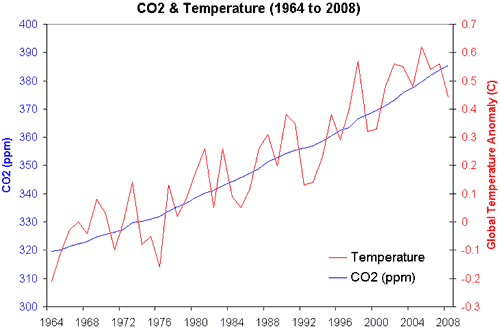
- The best known greenhouse gas is carbon dioxide (CO2). Scientists also observe that the amount of these greenhouse gases in the atmosphere is rising at the same time as earth’s temperature is rising. Scientists are now certain that the increase in the greenhouse gases is responsible for the increase in the earth’s temperature.
- Greenhouse gases come from the burning of fossil fuels (oil, coal, natural gas), cutting down of forests, some types of industries and many systems of farming and food production (all human activities, ANTHROPOGENIC).
- The earth’s climate is due to the temperature of the earth’s surface and the atmosphere and especially to changes in this temperature. So it is certain that if the temperature of the earth increases then changes in the climate pattern across the world (global) will take place. This is what is called Global Climate Change.
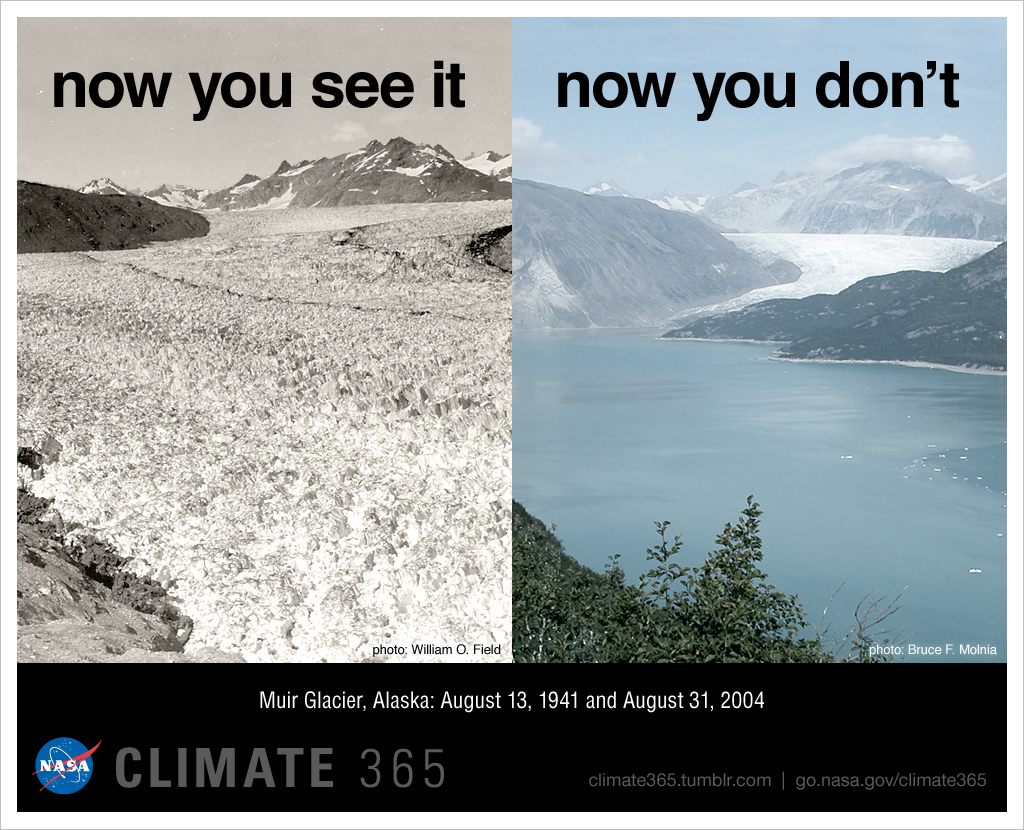
- An increase in global temperature will also cause more of the snow and ice on the earth to melt and so cause sea level to rise. A change in the global climate of the earth can cause many changes which are not easy to predict. These changes will cause effects which will be both positive and negative for the human population, for the environment of the earth and for the future of the earth.
- Some of these effects can include more floods, more droughts, increased typhoon, cyclone, hurricane activity, and changes in food production. There will be changes in global health and disease patterns and more people will become environmental refugees.
- Sea level will rise and coastal cities will be in danger of flooding. The supplies of clean water for large urban areas will be under threat and transport, environmental control and logistics systems will have to improve to cope with increased demand.
- The United Nations (UN) is trying to get all countries to work together to reduce greenhouse gas production (fossil fuel emissions). This is essential if the negative effects of global climate change are to be reduced or avoided in the future.
Global temperatures in 2018 were 1.5 degrees Fahrenheit (0.83 degrees Celsius) warmer than the 1951 to 1980 mean, according to scientists at NASA's Goddard Institute for Space Studies (GISS) in New York. Globally, 2018's temperatures rank behind those of 2016, 2017 and 2015.Feb 6, 2019


 |
Atmospheric CO2
July 2019
411.77(ppm)
Mauna Loa Observatory, Hawaii (NOAA)
Preliminary data released August 5th 2019


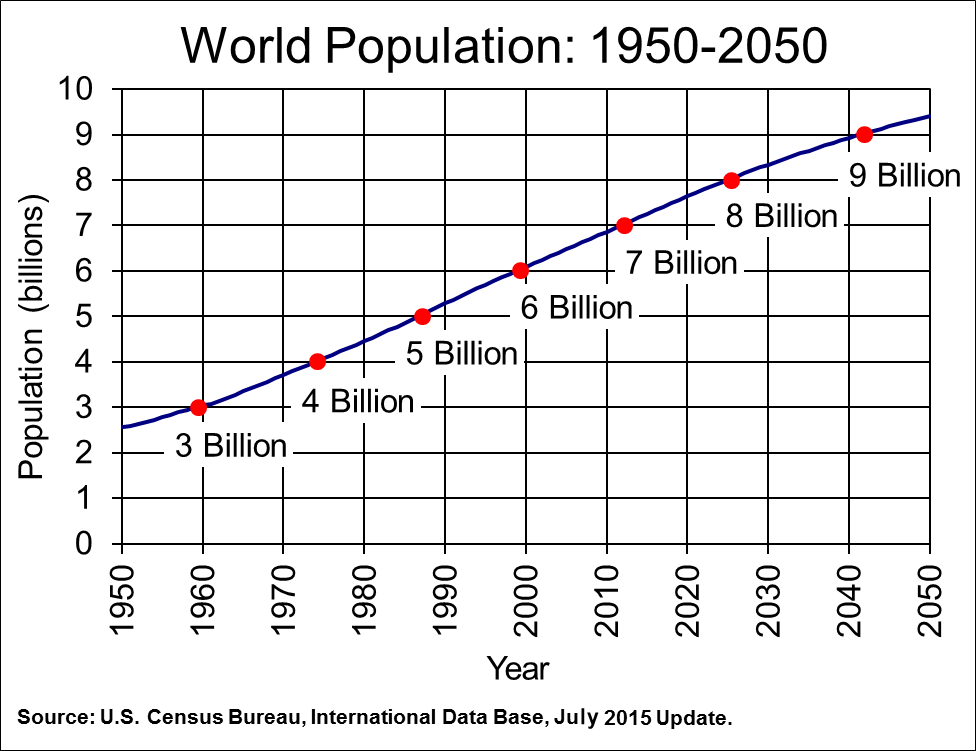
Population in the World: In August 2019 the population was estimated as 7,728,000,000 (7.73 Billion) and this is currently (2019-2020) growing at a rate of around 1.08% per year (down from 1.10% in 2018, 1.12% in 2017 and 1.14% in 2016). The current average population increase is estimated at 82 million people per year.

World population is expected to reach 9.7 billion in 2050 and could peak at nearly 11 billion around 2100. 17 June 2019, New York.
Week 2, THE GREENHOUSE EFFECT. GREENHOUSE GASES.

 |
| The southern tip of Greenland. |

 |
| Above 2 images show fires burning in Indonesia during the autumn of 2019. |

Sources useful for this course and future study:
Understanding Climate Change: Science, Policy, and Practice
The position in September 2022: Based on analysis from NOAA’s Global Monitoring Lab, global average atmospheric carbon dioxide was 414.72 parts per million (“ppm” for short) in 2021, setting a new record high despite the continued economic drag from the COVID-19 pandemic. In fact, the jump of 2.58 ppm over 2021 amounts tied for 5th-highest annual increase in NOAA's 63-year record.

Earth Observatory: https://earthobservatory.nasa.gov/
Reports and Publications.
.IPCC REPORT - CLIMATE CHANGE AND LAND: The full report is available here: https://www.ipcc.ch/report/srccl/
„temperature of the earth would be -18 Celsius
approximately. Life could not
exist at this temperature.
„However when
human activity causes the levels of greenhouse gases to increase the greenhouse
effect is more efficient and so global temperatures increase, the so
called
ENHANCED GREENHOUSE EFFECT and this
leads to Global Warming.

